
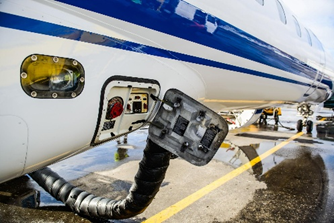
Rising Fuel Costs in Aviation: A Smarter Way to Stay Efficient
Rising Fuel Costs in Aviation: A Smarter Way to Stay Efficient
Rising fuel costs in aviation continue to challenge operators across Latin America and the United States. From private aircraft owners to MRO facilities and commercial operators, the increasing price of fuel directly impacts operational budgets, profitability, and long-term sustainability. While fuel prices remain unpredictable, aviation companies can still improve efficiency through smarter maintenance practices, optimized aircraft performance, and reliable component management. By focusing on operational efficiency, aviation businesses can reduce unnecessary fuel burn, minimize downtime, and maintain high performance standards without compromising safety.

The aviation industry has always operated in a highly dynamic environment, but in recent years, one challenge has become increasingly difficult to ignore: rising fuel costs.
Fuel represents one of the largest operational expenses for aircraft operators. Whether managing corporate jets, cargo fleets, charter operations, or maintenance facilities, companies across the aviation sector are facing growing pressure to maintain profitability while keeping operations efficient and safe.
Although operators cannot control global fuel prices, they can control how efficiently their aircraft perform. That difference can significantly impact operational costs over time.
Why Fuel Costs Continue to Impact
Global economic fluctuations, geopolitical instability, supply chain disruptions, and increased operational demand have all contributed to higher aviation fuel prices.
For aviation operators, even small increases in fuel costs can create substantial financial pressure. A slight reduction in fuel efficiency across multiple aircraft or repeated flights can quickly translate into thousands of dollars in additional expenses every month.
This is why operational efficiency has become more important than ever. Companies that invest in smarter maintenance strategies and optimized aircraft performance are better positioned to remain competitive in today’s market.
The Hidden Costs Behind Fuel Inefficiency
Many operators focus only on fuel pricing itself, but often overlook the hidden operational factors that increase fuel consumption unnecessarily
Worn Components and Performance Loss
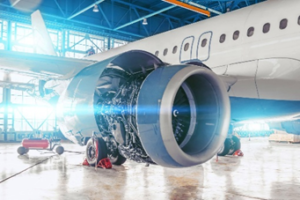
Aircraft components naturally experience wear over time. When critical systems no longer operate at peak efficiency, aircraft performance can decline.
Even minor component inefficiencies can contribute to:
- Increased drag
- Reduced engine performance
- Higher fuel burn
- Lower operational efficiency
Replacing aging or underperforming parts with reliable aircraft components helps restore optimal performance and reduce unnecessary fuel consumption.
Delayed Maintenance and Increased Fuel Burn
Postponing maintenance may appear to reduce short-term expenses, but in reality, delayed inspections and repairs often create larger operational costs later.
Poorly maintained aircraft can consume more fuel due to:
- Engine inefficiencies
- System performance degradation
- Reduced aerodynamic efficiency
- Unresolved mechanical issues
Preventive maintenance allows operators to identify problems early before they negatively affect fuel efficiency and operational reliability.
Operational Inefficiencies That Affect Profitability
Fuel inefficiency is not always caused by a single issue. Often, it results from multiple small inefficiencies occurring simultaneously.
Examples include:
- Unoptimized repair coordination
- Extended aircraft downtime
- Poor inventory management
- Delayed component availability
- Inefficient operational planning
When combined, these factors can significantly increase operating costs and reduce overall fleet productivity.
How Aviation Operators Can Improve Fuel Efficiency
Improving fuel efficiency requires a proactive operational approach. Successful aviation organizations focus on long-term optimization instead of temporary cost reductions.
Preventive Maintenance Strategies
Routine inspections and scheduled maintenance are essential for maintaining aircraft performance.
Preventive maintenance helps operators:
- Reduce unexpected failures
- Improve aircraft reliability
- Maintain optimal fuel efficiency
- Extend component lifespan
- Lower long-term operational costs
Consistent maintenance planning also minimizes disruptions and helps operators avoid costly emergency repairs.
High-Quality Aircraft Components
The quality of aircraft components directly affects operational performance.
Reliable parts contribute to:
- Better aircraft efficiency
- Improved system reliability
- Reduced maintenance frequency
- Lower operational risk
Working with trusted aviation suppliers ensures access to dependable components that meet industry standards and support long-term operational goals.
Asset Management and Operational Planning
Effective asset management is another critical factor in controlling fuel-related expenses.
A structured asset management strategy helps operators:
- Track component lifecycle performance
- Improve inventory control
- Reduce unnecessary procurement costs
- Optimize repair scheduling
- Minimize aircraft downtime
Efficient planning creates smoother operations and reduces indirect costs associated with inefficiency.
How Aviodirect Supports Efficient Aviation Operations

Aviodirect supports aviation operators with integrated solutions designed to improve operational performance and reduce unnecessary costs.
Rather than functioning only as a parts supplier, Aviodirect acts as a strategic operational partner focused on efficiency, reliability, and long-term support.
Component Sales
Access to reliable aircraft components is essential for maintaining fleet performance.
Aviodirect provides aviation operators with quality aircraft parts that support operational continuity and help reduce performance-related inefficiencies.
Repair Management
Efficient repair coordination plays a major role in minimizing aircraft downtime.
Aviodirect helps streamline repair management processes, allowing operators to maintain operational schedules while avoiding unnecessary delays that can increase operational expenses.
Asset Management
Proper asset management improves visibility across aviation operations.
By optimizing inventory and component lifecycle management, operators can make smarter operational decisions while reducing inefficiencies that contribute to higher operating costs.
Aviation Consulting Services
Operational efficiency often requires industry expertise and strategic planning.
Aviodirect provides aviation consulting support designed to help operators improve maintenance planning, operational workflows, and long-term efficiency strategies.
The Long-Term Value of Operational Efficiency
Reducing fuel-related costs is not only about saving money today. It is about building a more resilient aviation operation for the future.
Efficient operations provide several long-term advantages:
- Improved profitability
- Greater operational reliability
- Reduced downtime
- Better fleet performance
- Stronger customer confidence
- Increased competitiveness
In an industry where operational margins can be tight, efficiency becomes a major competitive advantage.
Why Choosing the Right Aviation Partner Matters
The aviation industry requires precision, reliability, and rapid operational support. Choosing the right aviation partner can make a measurable difference in operational success.
Operators benefit most from partners who understand:
- Aircraft operational demands
- Maintenance coordination
- Supply chain efficiency
- Industry compliance requirements
- Long-term operational planning
A trusted aviation support company helps organizations maintain efficiency while adapting to changing market conditions and rising operational costs.
Conclusion
Rising fuel costs in aviation continue to challenge operators worldwide, but fuel prices do not have to define operational success.
By improving maintenance strategies, investing in reliable aircraft components, optimizing asset management, and working with experienced aviation partners, operators can significantly reduce inefficiencies and improve overall performance.
Aviodirect helps aviation businesses navigate these challenges through integrated operational support designed to improve efficiency, reliability, and long-term operational stability in a highly competitive market.
Managing operational expenses requires a commitment to industry best practices. According to standards by the Federal Aviation Administration, efficiency is key to maintaining safety and performance in a high-cost environment. Furthermore, organizations like the International Air Transport Association emphasize that sustainability in modern aviation depends on proactive maintenance and smart asset management. By aligning with these global standards, operators can better navigate the challenges of rising fuel prices.

No Comments